Hello,
I’m Luke, the bloke behind The Hound Way.
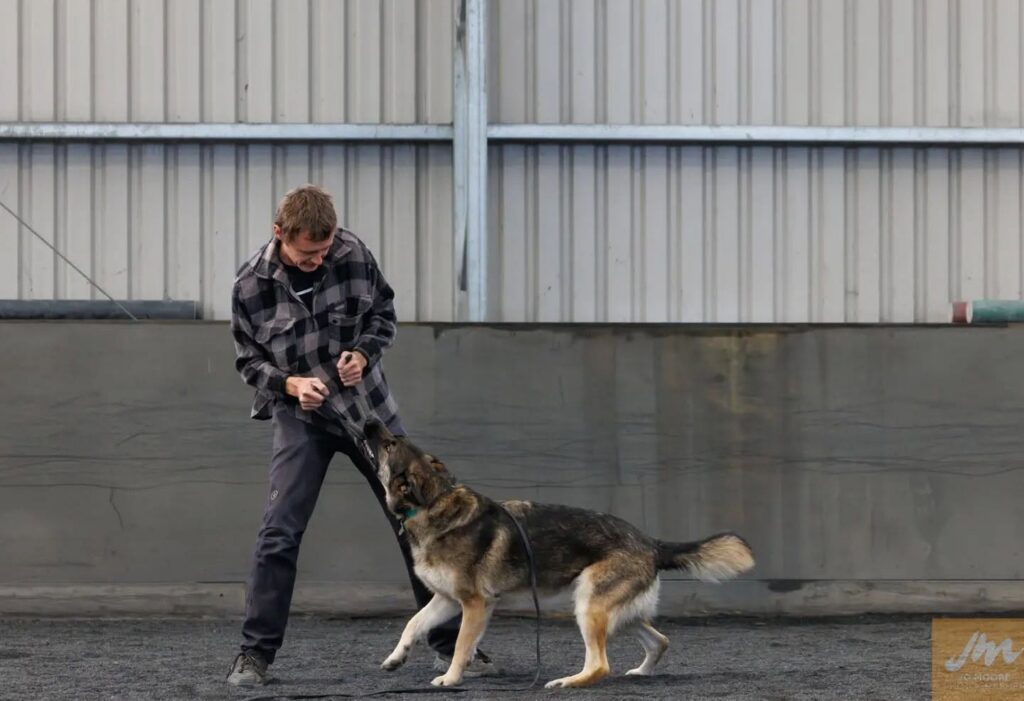
After nearly ten years working as a government office drone, I threw in the towel on corporate life when an opportunity came up to work with dogs and learn from another skilled dogman. That was back in 2017, and life hasn’t been the same since.
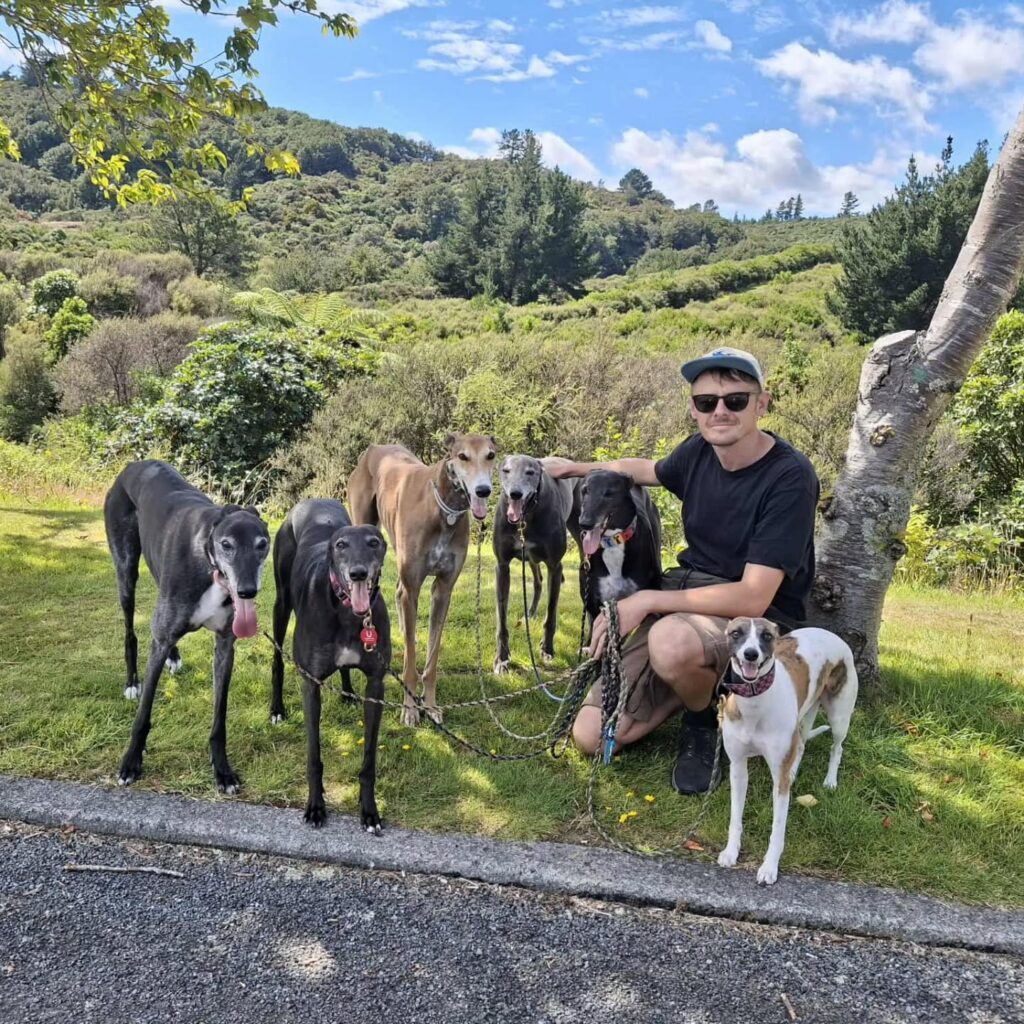
I started my pack walking business in Wellington, working exclusively with retired racing greyhounds. I had my own hound at the time—a breed I’ve always been very fond of. They’re not your typical pet dog and have a number of breed-specific quirks and requirements. It gave me a great deal of satisfaction to build a service around the unique needs of these magnificent dogs.
At the same time, I also worked in a dog daycare, where I gained valuable hands-on experience with a huge variety of dogs, spanning different breeds, temperaments, ages, shapes, and sizes.
People often ask where I learnt to train dogs. The answer isn’t a single course or qualification—it’s years of experience from many different sources, including:
- Attending seminars with internationally respected trainers (Michael Ellis being one of the biggest influences on my own training).
- Working alongside industry peers, both in New Zealand and overseas.
- Reading extensively.
- Fostering dogs.
- Handling dogs.
- Training dogs.
- Teaching people how to train their dogs.
- Rehoming dogs.
- Raising puppies.
But more than anything else…
Working. With. Dogs.
The majority of my knowledge has come from being hands-on with dogs and the people who live with them every day.
Behavioural science is incredibly valuable, and I believe it’s important to understand the theory behind why dogs behave the way they do. But theory only takes you so far. In my experience, real understanding comes from applying that knowledge with individual dogs in the real world—whether that’s helping a nervous dog gain confidence, teaching reliable recall, or trying to keep a dog’s attention when it’s far more interested in chasing seagulls at the beach.
Every dog is different, and every owner is different. That’s why I don’t believe in one-size-fits-all training. My goal is to help you build practical skills that make everyday life with your dog more enjoyable.
What is my “training philosophy”?
It’s a question I’m often asked.
My philosophy: I want to improve a dog’s quality of life for the long term. Sometimes that means saying “no” to certain behaviours now, so we can say “yes” to far more freedom, experiences, and opportunities later.